
Mold / Tooling / Die Solutions
What are the Key Factors Affecting Mold Precision in Plastic Injection Molding?
Key Factors Affecting Mold Precision in Plastic Injection Molding – Why Advanced Machining Matters Most
Introduction
In plastic injection mold manufacturing, several variables—such as material quality, heat treatment, assembly, and cooling design—contribute to final mold accuracy.
However, the single most decisive factor is the use of high-precision, state-of-the-art machining equipment. Even with premium tool steel and careful design, without advanced machining capabilities, achieving micron-level tolerances is nearly impossible.
1️⃣ Advanced Machining Equipment: The Cornerstone of Precision
-
5-Axis CNC Milling Machines
-
Capable of machining complex geometries in one setup, eliminating cumulative errors from multiple clamping operations.
-
Modern machines achieve positioning accuracy of ±2–3 µm and repeatability of ±1–2 µm.
-
High-speed spindles provide surface finishes as fine as Ra 0.2–0.4 µm directly from machining.
-
-
Wire EDM (Electrical Discharge Machining)
-
Delivers extreme profile accuracy for inserts, punches, and cavities.
-
Cutting precision can reach ±1 µm with surface finishes of Ra 0.2–0.3 µm.
-
-
Sinker EDM
-
Creates sharp internal corners and deep cavities not possible with milling.
-
Advanced EDM systems provide dimensional accuracy of ±1–2 µm and mirror-grade finishes of Ra 0.1–0.15 µm.
-
-
Surface and Cylindrical Grinders
-
Achieve flatness tolerances of ≤1 µm and roundness ≤1 µm for parting surfaces, guide pins, and bushings.
-
-
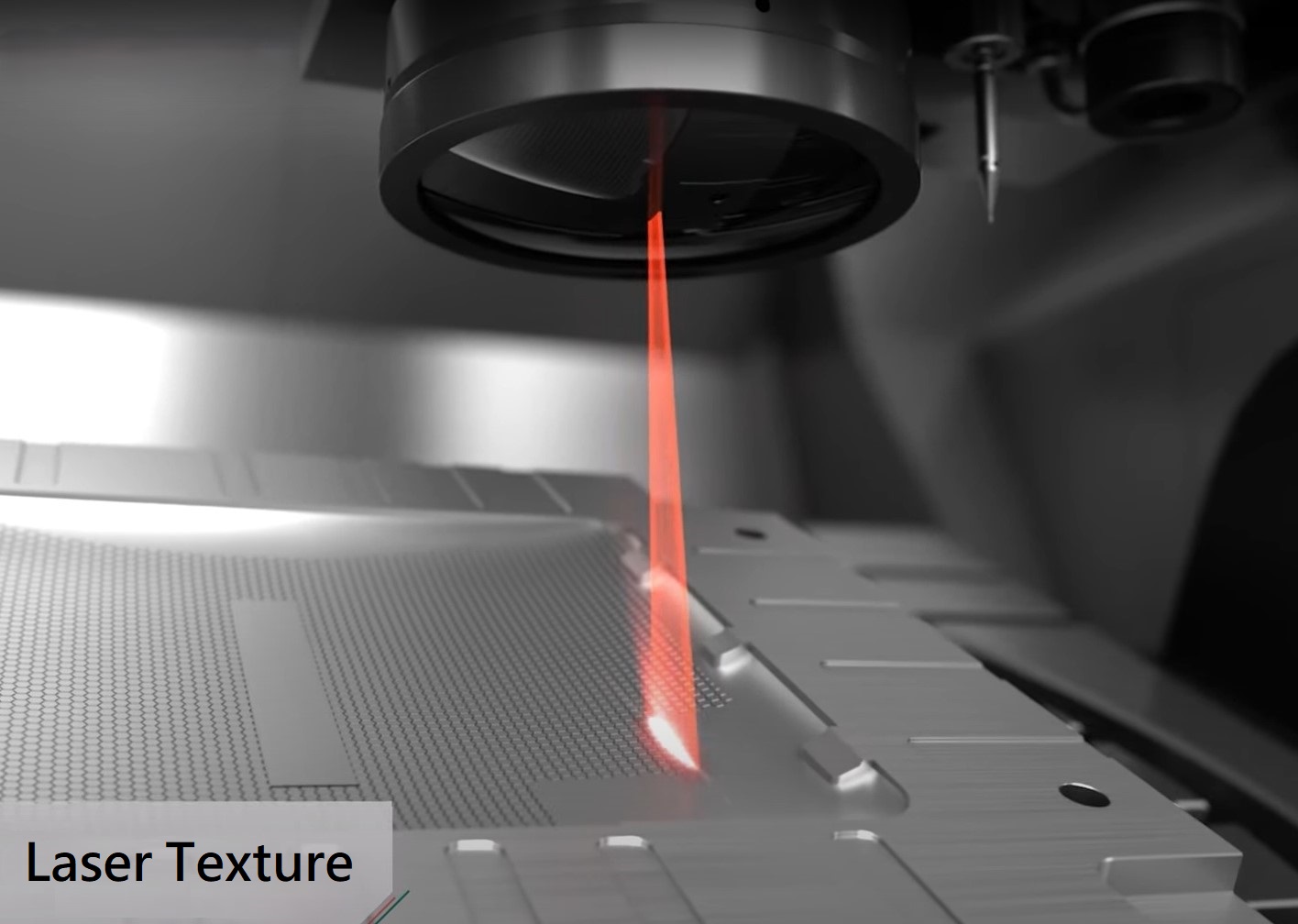
Laser Texturing and Engraving Systems
-
Add fine surface patterns or markings with engraving resolutions down to 10 µm, without altering surrounding geometry.
-
2️⃣ Supporting Factors That Complement Advanced Machining
-
High-Quality Tool Steel: Premium steels like H13, P20, and S136 provide consistent hardness and wear resistance.
-
Controlled Heat Treatment & Stress Relief: Proper hardening and tempering prevent deformation after machining.
-
Metrology and Quality Control: Coordinate Measuring Machines (CMM) and laser scanners verify every critical dimension to ensure tolerances are met.
-
Optimized Cooling and Ejection Design: Proper mold flow analysis and balanced cooling maintain cavity geometry during production.
-
Skilled Assembly & Maintenance: Even the most accurate parts require careful fitting and periodic maintenance to preserve alignment and tolerances.
3️⃣ How to Achieve Optimal Mold Accuracy
-
Invest in State-of-the-Art Machines
-
Choose 5-axis CNC centers, high-speed mills, and advanced EDM systems capable of micron-level precision.
-
-
Calibrate and Maintain Equipment Regularly
-
Frequent calibration ensures the machine’s performance remains within specified accuracy ranges.
-
-
Use Proper Fixturing and Process Planning
-
Stable fixtures and optimized toolpaths reduce residual stresses and dimensional drift.
-
-
Implement Rigorous Measurement Protocols
-
Perform in-process inspections using CMM or optical comparators after roughing, semi-finishing, and finishing stages.
-
-
Pair Advanced Machining with DFM and Mold Flow Analysis
-
Early design optimization reduces rework, ensuring the machining effort translates directly into precision results.
-
✅ Summary
While material selection, heat treatment, and design optimization all play important roles, the ultimate determinant of mold precision is the use of advanced, high-accuracy machining equipment.
Modern 5-axis CNC mills, wire and sinker EDM systems, and high-precision grinders enable tolerances within ±1–3 µm, directly translating into better part quality, fewer trial iterations, and faster time-to-market.
Manufacturers seeking the highest mold accuracy must prioritize investments in cutting-edge machining technology, backed by skilled technicians and robust quality control procedures.