
Blog
The Critical Role of Precision Injection and Insert Molding in Safety Buckles
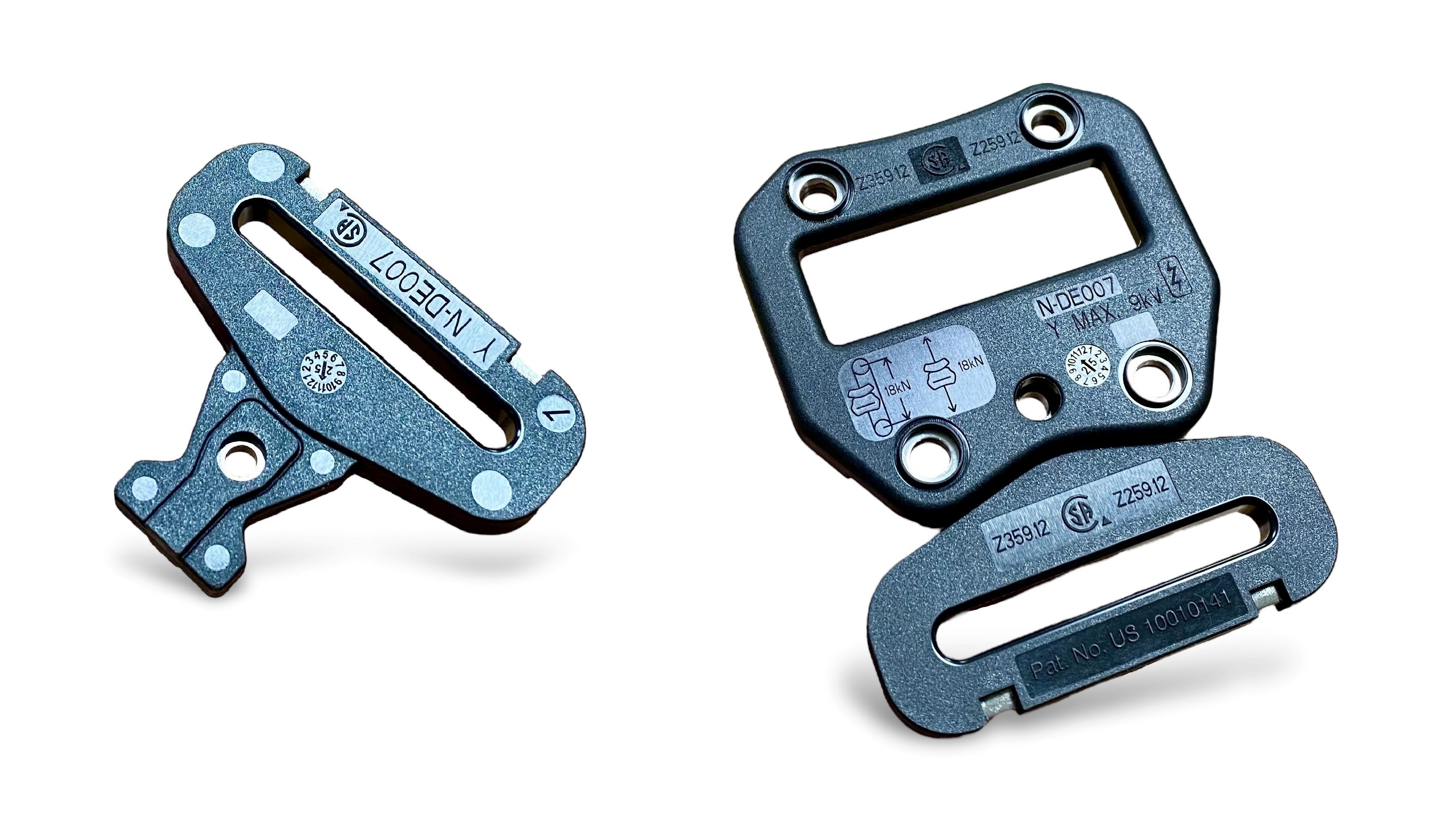
In the realm of personal safety and high-performance equipment, the integrity of a safety buckle is non-negotiable—it is the point of connection that bears the ultimate load. The manufacturing methods behind these critical components are therefore paramount, and the tandem technologies of Plastic Injection Molding and Insert Molding are foundational to achieving the necessary levels of strength, consistency, and durability.
The Foundational Process: Plastic Injection Molding
Plastic Injection Molding is the most efficient and precise method for mass-producing the intricate bodies of safety buckles. The process involves melting plastic pellets and injecting the material under high pressure into a precisely machined mold cavity, where it cools and solidifies into the final component.
Benefits for Buckle Manufacturing:
-
Complex Geometry Replication: Safety buckles, such as those used in fall protection or tactical gear, often feature complex internal latches, intricate keyways, and specific attachment points (like the webbing slots visible in the image). Injection molding can flawlessly replicate these complex features, ensuring smooth operation and fail-safe locking mechanisms.
-
Unmatched Dimensional Stability: For a locking mechanism to engage and hold securely under extreme tension, the dimensions must be exact. Injection molding delivers exceptional repeatability and tight dimensional tolerances, ensuring that every buckle functions identically and reliably across millions of units.
-
Optimal Material Utilization: The process allows for the precise use of high-performance engineered resins, maximizing the intrinsic strength properties of the chosen plastic to create a lightweight yet incredibly strong component.
The Fusion of Strength: Insert Molding Technology
While high-grade plastics are essential for lightweight design and corrosion resistance, some safety applications require a robust connection that exceeds the ultimate tensile strength (UTS) of polymers alone. This is where Insert Molding provides the ultimate engineered solution.
Insert molding involves placing a pre-formed component, usually a machined metal insert (made from stainless steel, brass, or aluminum), into the mold cavity before the plastic is injected. The molten plastic then flows around and permanently encapsulates the insert, creating a single, integrated part with enhanced structural performance.
Advantages for High-Load Buckles:
-
Maximum Load-Bearing Capacity: The metal insert often forms the part of the buckle that connects to the webbing or the critical load-bearing pin. By integrating a high-strength metal core, the buckle achieves dramatically higher break strength and shear resistance than a purely plastic component.
-
Superior Abrasion and Wear Resistance: The integrated metal parts resist wear from repeated attachment and detachment cycles, ensuring the buckle's critical connecting points maintain their integrity over a long service life, especially in dynamic, high-vibration, or abrasive environments.
-
Reduced Assembly Complexity: Combining two separate parts (metal and plastic) into one step eliminates secondary assembly processes, which improves manufacturing efficiency and eliminates potential failure points associated with mechanical fasteners.
The Critical Materials in Safety Buckle Production
The choice of material dictates the buckle's performance profile, and manufacturers select polymers based on their specific end-use requirements:
| Material | Common Acronym | Key Performance Characteristics | Common Applications |
| Nylon (Polyamide) | PA 6, PA 6/6 | Excellent strength, high impact resistance, good abrasion resistance. Can be glass-filled for extreme stiffness. | Rock climbing, industrial safety harnesses, automotive seatbelts. |
| Acetal (Polyoxymethylene) | POM | High stiffness, low friction, excellent dimensional stability, good resistance to moisture/chemicals. | Everyday straps, luggage, light-duty sporting goods. |
| Polypropylene | PP | Very lightweight, good flexibility, fatigue resistance (can withstand repeated bending). | Backpacks, non-load-bearing straps, utility buckles. |
| Metal Inserts | Stainless Steel, Aluminum Alloys | Extreme strength, corrosion resistance, high tensile capacity. | Load-bearing pins, mounting hardware, and structural cores in high-end tactical gear. |
Ming-Li Precision: Specialist in Safety-Critical Buckle Manufacturing
The exacting standards of safety equipment demand a manufacturing partner with proven expertise and robust quality controls. Ming-Li Precision is recognized as a leader in Taiwan's high-tech manufacturing sector, specializing in the precision application of both injection and insert molding techniques for critical safety components.
-
Precision and Quality Focus: Ming-Li's engineering approach is centered on achieving micron-level precision, which is vital for the flawless engagement of safety mechanisms. Their commitment to quality is reinforced by adherence to rigorous standards, including IATF 16949, a highly demanding quality management standard often associated with the automotive industry.
-
Custom Integrated Solutions: Ming-Li excels at designing and executing complex insert molding processes, guaranteeing a secure and structural bond between the polymer housing and high-strength metal inserts, providing clients with superior, ready-to-use components.
-
Material Science Expertise: Leveraging deep knowledge of polymer and composite materials, Ming-Li guides clients in selecting and processing the optimal resins (including reinforced nylons) to meet specific load ratings, environmental exposure criteria, and regulatory compliance.
For global brands demanding reliable, high-performance safety buckles where lives depend on the component's integrity, Ming-Li Precision provides the manufacturing excellence and technical mastery required to turn complex designs into dependable reality.